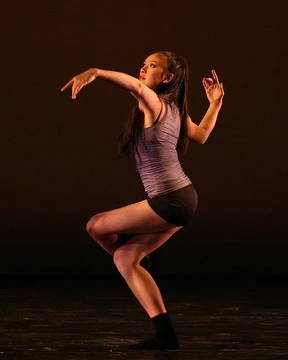
Arthur Mitchell (dancer)
First African-American principal dancer at New York City Ballet.

- field
- Ballet dancer, choreographer, company founder
- nationality
- American
- known_for
- First African-American principal dancer at New York City Ballet; founder of Dance Theatre of Harlem
Lore & Background
Mitchell was one of four siblings, the son of a building superintendent, and grew up in Harlem, New York. Forced at age 12 to assume financial responsibility for his family after his father's incarceration, he worked numerous jobs including shoe-shining, mopping floors, newspaper delivery, and work in a meat shop. Despite his duties, he became involved with street gangs, though this did not ultimately deter him from finding success. As a teenager, a guidance counselor encouraged him to apply to the High School of Performing Arts; after acceptance, he decided to pursue a career in classical ballet. Following graduation in the early 1950s, he won a dance award and scholarship to study at the School of American Ballet. Choreographer George Balanchine created the pas de deux in Agon especially for Mitchell and white Southern ballerina Diana Adams. Audience members initially complained about the pairing, but Balanchine refused to change it. Two years later, they presented their first productions as a professional company. Mitchell used his personal savings to convert a garage into the company's home. DTH created an explosion of professional opportunity in dance, music, and related theater activities, challenging the classical dance world to review its stereotypes and revise its boundaries.
Reader's Guide
Arthur Mitchell's significance lies in his role as a pioneering African-American ballet dancer and founder of the first African-American classical ballet company, the Dance Theatre of Harlem. Despite facing audience complaints about partnering with white ballerinas, Mitchell's work helped challenge segregation in the arts. The company's success forced the classical dance world to reconsider its stereotypes and expand its boundaries. Mitchell received numerous honors, including a MacArthur Fellowship, the National Medal of Arts, and induction into the National Museum of Dance Hall of Fame. His legacy endures through the Arthur Mitchell Collection at Columbia University and the continued impact of the Dance Theatre of Harlem.
Did You Know?
- Mitchell was forced at age 12 to assume financial responsibility for his family after his father's incarceration.
- The pas de deux in Agon was created by George Balanchine especially for Mitchell and white Southern ballerina Diana Adams.
From Harlem's Streets to the Stage
His childhood was marked by hardship far earlier than most: when he was just twelve, his father's imprisonment thrust the burden of supporting the family onto his young shoulders. He took on whatever work he could find—shining shoes, mopping floors, delivering newspapers, and laboring in a meat shop—while also drifting into the orbit of local street gangs. Yet a turning point arrived when a guidance counselor urged the teenager to apply to the High School of Performing Arts. Accepted, Mitchell committed himself to a path in classical ballet. After graduating in the early 1950s, he earned a dance award and a scholarship to the School of American Ballet.
Breaking Barriers at New York City Ballet
One of the most charged moments came when George Balanchine composed the pas de deux in Agon specifically for Mitchell and Diana Adams, a white ballerina from the South. Audience members lodged complaints about the interracial pairing, but Balanchine stood firm and refused to alter the casting.
Building the Dance Theatre of Harlem
The Dance Theatre of Harlem opened its doors with just thirty children practicing in a church basement, in a neighborhood where creative potential had gone largely unrecognized. Within two months the enrollment had swelled to four hundred young students. The ripple effects were enormous: former students went on to careers as dancers, musicians, stage technicians, wardrobe specialists, instructors, and arts administrators. DTH did not merely train performers; it forced the broader classical dance world to confront its own assumptions and widen its definition of who belonged on the stage.
A Life Honored, a Legacy Enduring
Mitchell's contributions were recognized with an extraordinary constellation of honors. Honorary doctorates arrived from a long list of institutions, including Harvard, Yale, Columbia, Juilliard, Brown, and the University of North Carolina School of the Arts.
More in Dance Pioneers 1-23
Spotted an error? Know more?
This is a living reference — every entry is fact-audited, and reader corrections feed straight into our audit queue. Suggest an edit · See this site's audit record